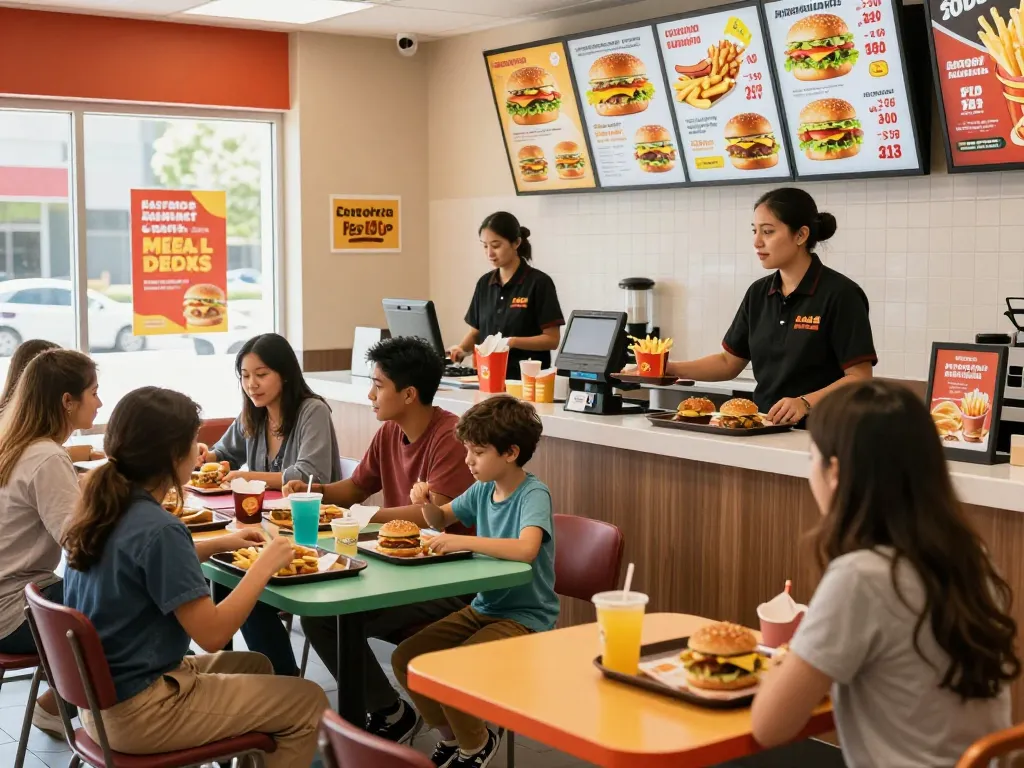
Understanding Fast Food Prices in 2026
As we venture deeper into 2026, the landscape of fast food prices continues to evolve, shaped by various economic and social factors. Today’s consumers are becoming more price-sensitive, and fast food chains are adjusting their pricing strategies to appeal to an increasingly diverse customer base. According to recent analyses, fast food prices have climbed dramatically in the last few years, with average meal costs hovering around $11.50, a notable increase from just a few years prior. When exploring options, fast food prices provide comprehensive insights into regional and chain variations that profoundly affect consumer choice.
Current Trends Affecting Prices
The fast food industry has witnessed significant transformations due to inflationary pressures, shifting consumer preferences, and supply chain disruptions. In 2026, the inflation rate for fast food prices soared, exceeding the overall inflation rate for food. This increase can be attributed to several intertwining trends, including changes in dietary habits, a heightened focus on health and wellness, and evolving economic conditions.
- Health-Conscious Choices: As consumers demand healthier options, chains have adapted their menus, often at a higher cost due to premium ingredients.
- Economic Inflation: The overall economic environment has led to increased operational costs, which are frequently passed on to consumers.
- Technology Integration: Digital ordering and automation have improved efficiency but have also introduced additional costs that impact pricing.
Comparative Analysis by Region
Fast food prices can significantly vary by region. For instance, states like Hawaii experience some of the highest prices due to shipping costs and higher living expenses. Conversely, regions in the Midwest often report lower average costs. These discrepancies not only reflect local economic conditions but also the cost structure of running fast food outlets in various locales.
Recent reports indicate that San Francisco ranks as one of the most expensive cities for fast food, with average meal costs surpassing $13. The significant price disparity is indicative of both market demand and the city's higher cost of living.
Factors Driving Fast Food Prices Up
Impact of Ingredient Costs
The increasing cost of ingredients has been one of the most significant contributors to rising fast food prices. Protein sources, such as beef and chicken, have seen particular increases, driven by supply chain challenges and fluctuating commodity prices. Many fast food chains are now facing the challenge of balancing quality with affordability, often resulting in menu price adjustments. Some have opted to minimize portion sizes or alter recipes to sustain profitability.
Labor Market Influences
Labor costs have also soared in recent years. As the minimum wage increases across various states, fast food chains are compelled to adjust their labor budgets, inevitably impacting overall pricing strategies. The ongoing battle for talent in the food service industry has led to higher wages and improved benefits, which are additional costs passed on to consumers.
Economic Indicators and Inflation
The correlation between fast food prices and broader economic indicators cannot be overlooked. Inflationary trends directly impact consumer spending, with many individuals opting for cheaper alternatives in times of economic uncertainty. However, fast food chains have worked diligently to maintain their customer base, often promoting value menus or combo deals to attract price-sensitive diners.
Popular Fast Food Chains and Their Pricing Strategies
McDonald's Pricing Evolution
McDonald's, as a bellwether for the fast food industry, has experienced a notable shift in its pricing strategy amid rising costs. The chain has adjusted its menu prices accordingly while introducing promotions aimed at maintaining customer loyalty. For example, the Big Mac meal, once a staple at $6, has seen fluctuations with prices now reaching up to $12 in some markets.
Chipotle's Value Proposition
In contrast, Chipotle has positioned itself as a premium fast-casual alternative. Its pricing reflects a commitment to high-quality ingredients, and while the prices may be higher, many consumers are willing to pay for perceived value. The chain's strategy integrates transparency in sourcing, appealing to a demographic that prioritizes sustainability and health.
Regional Variations by State
Understanding regional pricing variations is crucial for consumers and business owners alike. States such as California and New York typically see higher fast food prices compared to the national average, while Midwestern states often provide more competitive pricing. Regional economic conditions continue to play a significant role in shaping fast food pricing strategies, making it essential to consider local market dynamics.
Savings Tips for Fast Food Diners
Utilizing Apps and Loyalty Programs
To mitigate rising costs, diners can leverage mobile apps and loyalty programs offered by many fast food chains. These tools often provide exclusive deals, discounts, and rewards for frequent customers. Regularly checking for promotions can lead to significant savings over time, allowing consumers to enjoy their favorite meals without breaking the bank.
Best Times to Eat Out for Discounts
Timing can also play a crucial role in saving money on fast food. Certain times of the day, such as late afternoons or early evenings, tend to boast promotional pricing, particularly for combo meals. Being strategic about when to dine can enhance the overall value while ensuring a delightful culinary experience.
Meal Prep Alternatives
For those looking to cut fast food expenses even further, meal prepping is an excellent alternative. By planning and preparing meals ahead of time, consumers can save not only money but also time. Meal prep also allows for greater control over ingredients and portion sizes, combining convenience with health benefits.
Future Trends in Fast Food Pricing
Predictions for 2026 and Beyond
As we look ahead, the fast food industry is poised to continue evolving in response to economic pressures and consumer expectations. Predictions indicate that fast food prices may stabilize slightly but will likely remain higher than pre-pandemic levels due to ongoing supply chain and labor challenges.
Emerging Fast Food Concepts
New fast food concepts, focusing on unique dining experiences or niche markets, are likely to emerge, potentially offering innovative pricing structures. These concepts will challenge traditional chains and could shift the pricing landscape dramatically as they compete for market share.
Consumer Demand Shifts Post-Pandemic
The COVID-19 pandemic has permanently altered consumer behavior, with many now prioritizing convenience and speed without sacrificing quality. Fast food chains will need to adapt to these changes, optimizing their offerings and pricing to meet evolving demands. Anticipating shifts in consumer preferences will be critical for chains aiming to retain loyal customers in this competitive market.