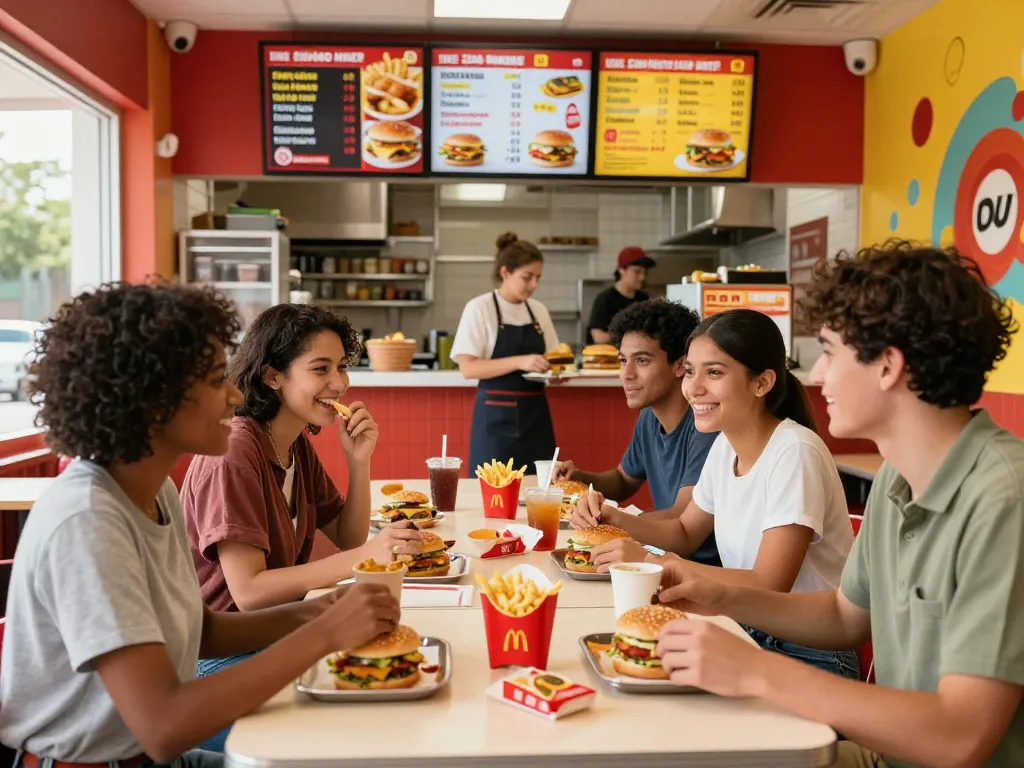
The Current Landscape of Fast Food Prices
The fast food industry, once known for its affordability and convenience, has seen significant shifts in pricing trends over the past few years. As of 2026, fast food prices have surged, reflecting broader economic challenges exacerbated by inflation, supply chain issues, and evolving consumer expectations. Understanding these dynamics is crucial for consumers seeking to manage their budgets while satisfying their cravings. When exploring options, fast food prices provide comprehensive insights that help navigate this changing landscape.
How Fast Food Prices Vary by Location
Fast food prices are not uniform across the United States; they fluctuate significantly based on location. Areas with a higher cost of living, such as major metropolitan cities, see markedly higher prices compared to rural settings. For instance, a basic combo meal at a McDonald's in San Francisco may cost approximately $13.88, while the same meal in a small town could be as low as $8.99. These geographic disparities reflect not only the local economic conditions but also factors such as real estate costs, labor expenses, and competitive pricing strategies among local fast-food outlets.
Understanding the Price Fluctuation Trends
To grasp the current fast food pricing trends, one must consider historical data that reveals how prices have changed over time. The last decade has shown a steady increase in fast food costs, often outpacing inflation rates in other sectors. For example, a recent analysis indicates that the average fast food meal has risen to over $11.50 in recent years, compared to around $7.50 a decade ago. This rise can be attributed to various factors, including increased ingredient costs and shifts in consumer demand for higher-quality food options.
Comparison of Fast Food Prices Across Major Chains
Different fast food chains may also have varying price points for similar menu items. For example, while a Big Mac typically costs around $5.99 at McDonald's, a comparable burger at Burger King—the Whopper—might be priced at approximately $6.49. These differences can lead consumers to choose one brand over another not only based on taste but also on perceived value for money. Moreover, promotional pricing and regional special offers can further complicate these comparisons, as chains frequently adjust their prices based on local competition and market conditions.
Factors Driving Fast Food Price Increases
The Impact of Inflation on Fast Food Prices
Inflation plays a prominent role in the rising costs of fast food. Over the past several years, inflation has significantly impacted purchasing power, leading to higher operational costs for businesses. According to economic reports, fast food prices have increased by over 40% since 2019, largely due to inflationary pressures affecting the costs of raw materials, such as meat and produce. Moreover, the overall economic climate has forced many fast food chains to pass on these costs to consumers in order to maintain profitability.
Corporate Pricing Strategies and Their Effects
Large fast food corporations often employ strategic pricing models that can lead to price increases. These strategies might include price anchoring, where a new product is introduced at a higher price to shift consumer expectations. Additionally, chains are responding to consumer demand for healthier or gourmet options by incorporating premium ingredients, which inevitably raises menu prices. For example, offerings that include organic or non-GMO ingredients tend to be priced higher, thus impacting the overall average cost of meals.
Supply Chain Challenges Contributing to Cost
The fast food industry is currently facing significant supply chain challenges that contribute to rising prices. Global disruptions, such as the COVID-19 pandemic and geopolitical conflicts, have affected the availability and cost of essential commodities. This scarcity has necessitated higher prices not just for the finished product but also for the ingredients used in menu items. Fast food restaurants have responded by adjusting their pricing structures to accommodate these increased costs, further exacerbating the financial burden on consumers.
Consumer Behavior Towards Fast Food Pricing
How Rising Prices Affect Fast Food Consumption
As fast food prices rise, consumer behavior is changing dramatically. Many patrons are now seeking value-oriented options, often gravitating towards combo meals or special promotions to maximize their spending. Studies have shown that consumers are becoming more selective about their fast food choices, opting for chains that offer loyalty programs or discounts over those with higher prices. This shift in behavior not only affects sales but also influences how fast food chains market their products and develop their menus.
Shifting Preferences: What Consumers are Choosing
With prices on the rise, consumers are increasingly looking for healthier options at fast food restaurants. There's a notable trend toward plant-based meals and items featuring locally sourced ingredients. This shift stems from a growing awareness of health and environmental issues, leading many customers to scrutinize menu options more closely and express preferences for more sustainable choices. Consequently, many chains have expanded their menus to include vegetarian and vegan options, often at a premium price.
The Role of Discounts and Promotions
Discounts and promotions play a crucial role in the fast food industry's pricing strategy. Many chains leverage limited-time offers or seasonal deals to attract cost-conscious consumers. For instance, the introduction of value menus or "2 for $5" promotions creates an appealing option for those wanting to enjoy fast food without breaking the bank. However, such promotions can also hint at the regular prices being inflated, leading savvy customers to wait for sales rather than purchase at standard prices.
Saving on Fast Food: Strategies for Consumers
Best Practices for Maximizing Value
Consumers looking to save money while enjoying fast food have several strategies at their disposal. One of the most effective methods is to remain informed about prices at different chains and to utilize local apps and websites that track current promotions. Additionally, planning visits around specific days when certain chains offer discounts, such as Taco Tuesday or Fry-day promotions, can yield significant savings. Understanding the timing and frequency of restaurant deals is vital for budget-conscious diners.
Understanding Menu Hacks and Deals
Menu hacks are a popular way for consumers to personalize their fast food experience while potentially saving money. For instance, asking for modifications, such as substituting a larger drink for a small one or combining items from different meals, can enhance value without substantially increasing cost. Websites and forums often share insider tips on secret menu items or how to get the most from value meals, making it easier for consumers to navigate the complex pricing landscape.
Using Technology to Track Fast Food Prices
With digital tools at their fingertips, consumers can now track fast food prices more effectively than ever. Many apps allow users to compare menu prices between chains and keep up-to-date with ongoing promotions. Additionally, signing up for loyalty programs can provide exclusive deals and discounts, ensuring that consumers do not miss out on savings. Utilizing these technological advances not only enhances the fast food dining experience but also helps manage spending in a rapidly inflating market.
The Future of Fast Food Prices
Predicting Price Trends for 2027 and Beyond
As we look toward the future, predicting fast food price trends will likely involve the interplay between consumer demand, economic conditions, and supply chain stability. Current forecasts suggest that prices will continue to rise, albeit at a slower rate than in previous years, with inflation gradually stabilizing. Fast food chains will need to navigate this environment carefully, balancing price increases with consumer expectations to retain market share.
Potential Impacts of Economic Shifts on Pricing
Future economic shifts, such as changes in labor laws or agricultural policies, could significantly impact fast food pricing. For instance, an increase in the minimum wage in various states may force companies to adjust their pricing structures to accommodate higher labor costs. On the other hand, economic recovery post-pandemic could lead to an increased demand for dining out, creating a push-pull dynamic in pricing strategies.
Innovations in the Fast Food Industry's Pricing Models
To adapt to current challenges, many fast food chains are exploring innovative pricing models that leverage technology and consumer behavior analytics. Personalized pricing, dynamic pricing based on demand, and subscription models (where customers can pay a monthly fee for a set number of meals) are emerging strategies. These innovations aim to retain customer loyalty while maximizing profitability in a competitive marketplace.
What are the average fast food prices in 2026?
The average price of fast food is projected to hover around $11.50 in 2026, reflecting ongoing inflationary trends. Depending on geographical location, consumers may experience variations in price; for instance, meals in higher-cost areas may exceed averages by 20% or more. Understanding regional pricing differences will be crucial for consumers to navigate their fast-food choices effectively.
Why are fast food prices increasing?
Fast food prices are increasing for several reasons, primarily driven by inflation, rising operational costs, and supply chain challenges. Additionally, strategic pricing decisions made by chains in response to consumer preferences and market conditions play a significant role. As the industry evolves, consumers must remain aware of these trends to make informed purchasing decisions.
How can I save money on fast food?
To save money on fast food, consumers can utilize digital coupons, sign up for loyalty programs, and be strategic about when and where they dine out. Engaging with fast food apps can provide access to deals that are not publicly advertised and help customers capitalize on the best offers available.
Which fast food chains offer the best value?
Chains such as Taco Bell and Wendy's are frequently noted for offering excellent value, often providing meals that satisfy hunger without steep prices. These chains capitalize on value menus and promotional deals that resonate with budget-conscious consumers seeking affordable dining options.
How do state taxes affect fast food prices?
State taxes can significantly impact fast food prices, with varying tax rates across the U.S. affecting the overall cost of meals. States with higher sales tax rates will see a corresponding increase in fast food prices, impacting consumer purchasing behavior and preferences.