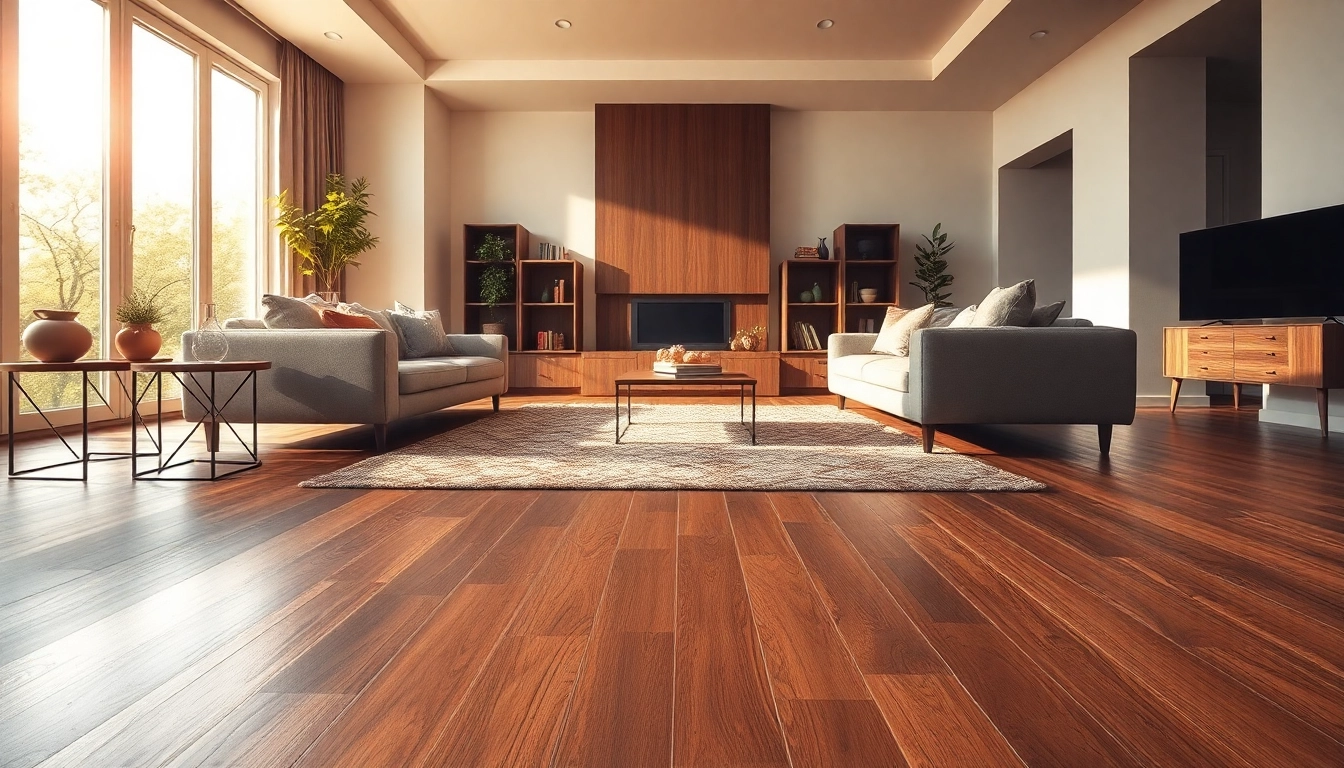
Understanding LVT Flooring
What is LVT Flooring?
LVT, or Luxury Vinyl Tile, is a sophisticated and versatile flooring option designed to replicate the appearance of natural materials like hardwood, stone, or ceramic tile, while providing an array of benefits unique to vinyl. LVT flooring is constructed from several layers that contribute to its durability and aesthetic appeal. Typically, LVT consists of a backing layer for stability, followed by a high-resolution printed design layer that simulates a variety of materials, and finally, a transparent wear layer that protects against scratches and stains.
Benefits of LVT Flooring
LVT flooring presents numerous advantages that make it an ideal choice for both residential and commercial spaces:
- Durability: LVT is resistant to scratches, dents, and moisture, making it suitable for high-traffic areas and environments prone to spills.
- Easy Maintenance: Regular cleaning usually involves sweeping and mopping, unlike other flooring types that may require deeper maintenance.
- Comfort: The softer surface of LVT provides comfort underfoot, providing a warm and inviting feel compared to colder alternatives like tile.
- Design Variety: Available in a wide range of styles, colors, and textures, LVT can complement any design aesthetic, from modern to traditional.
- Cost-Effective: Often more affordable than natural materials, LVT provides the desired look without breaking the bank.
LVT vs. Other Flooring Types
When considering flooring options, it's essential to compare LVT with other popular materials:
- LVT vs. Hardwood: While hardwood offers classic beauty, it can be susceptible to water damage and requires more upkeep. LVT manages to mimic the look of hardwood while providing greater moisture resistance and less maintenance.
- LVT vs. Ceramic Tile: Ceramic tile is durable but cold and hard underfoot. LVT resembles ceramic designs yet provides a warmer and softer texture, enhancing comfort in living spaces.
- LVT vs. Laminate: Laminate mimics wood yet lacks the pliability and waterproof features of LVT. LVT is a better choice for areas where moisture is a concern.
Choosing the Right LVT Flooring for Your Space
Key Factors to Consider
When selecting LVT flooring, several critical factors must be taken into account to ensure a perfect match with your space:
- Room Type: Consider where the flooring will be laid. High-moisture areas like bathrooms and kitchens require moisture-resistant options.
- Foot Traffic: For high-traffic areas, opt for thicker wear layers or specific options designed for durable use.
- Style and Aesthetics: Choose colors and patterns that enhance the overall design of your home or office space.
- Installation Method: Determine if you want a glue-down, loose-lay, or click-lock installation, as this can affect both the budget and the level of difficulty.
Styles and Designs Available
The design versatility of LVT flooring is one of its biggest draws. Styles range from reclaimed wood looks to polished marble finishes, ensuring every taste is catered for:
- Wood-Look LVT: Perfect for those desiring the warmth of wood without the maintenance troubles.
- Stone-Look LVT: Achieves the elegance of natural stone while retaining the comfort of vinyl.
- Patterned LVT: For the bold, patterned tiles can create unique designs, enhancing visual interest in any room.
- Textured LVT: Embossed textures add dimensionality, mimicking natural surfaces for an even more authentic appearance.
Installation Considerations
Understanding the installation process can help you make informed decisions:
- Subfloor Preparation: Ensure the subfloor is clean, dry, and level to avoid complications post-installation.
- Acclimatization: It’s crucial to allow the LVT to acclimatize to the environment before installation; this reduces expansion or contraction after it is laid.
- Professional vs. DIY: While DIY installation is possible, sometimes hiring professionals can ensure precision and prevent future issues.
Maintenance Tips for LVT Flooring
Cleaning and Care Practices
Maintaining the beauty and functionality of LVT flooring is straightforward, provided you adhere to some simple care guidelines:
- Regular Sweeping: Frequent sweeping or vacuuming helps eliminate dirt and debris that can scratch the surface.
- Wet Mopping: Use damp mops with a suitable cleaner designed for vinyl to remove stains and maintain shine.
- Spot Cleaning: For tougher stains, use manufacturer-recommended cleaning agents or mild detergent.
Common Mistakes to Avoid
To get the most out of your LVT flooring, steer clear of these common pitfalls:
- Using Harsh Cleaners: Chemicals that are too strong can damage the protective wear layer, leading to discoloration.
- Neglecting Moisture: While LVT is water-resistant, avoid excessive water exposure to maintain longevity.
- Ignoring Scratches or Scuff Marks: Address marks promptly before they become permanent; consider using a repair kit for minor damage.
Longevity and Durability Insights
The lifespan of LVT flooring is impressive compared to many other flooring options, often lasting 10 to 20 years with proper maintenance. Durability is enhanced by:
- Quality of Material: Higher-quality LVT products typically provide better durability and longer lifespans.
- Correct Installation: Ensuring proper installation techniques can significantly mitigate future issues.
- Routine Maintenance: Adhering to suggested care practices ensures that your LVT flooring stands the test of time.
Creative Uses of LVT Flooring in Home Design
Trendsetting Applications
Beyond traditional applications, LVT flooring allows for unique installations that can redefine spaces:
- Accent Walls: Using LVT on walls can create feature areas that draw the eye without overwhelming.
- Mixed Media Floors: Combining LVT with other materials can add depth to entries or living rooms.
- Functional Zones: Use different patterns or colors to delineate spaces within open floor plans.
Enhancing Spaces with Patterns
Implementing patterns can transform a room's ambiance:
- Herringbone and Chevron: Classic patterns that add sophistication and elegance.
- Geometric Designs: Modern styles to create visual interest, perfect for contemporary spaces.
- Tile Layouts: Laying LVT in different orientations can change the perception of space size and style.
Combining LVT with Other Materials
The beauty of LVT flooring is its flexibility in pairing with other materials:
- Layering with Rugs: Define spaces and add comfort with area rugs atop LVT.
- Wood Trim: Use wooden borders or trim to infuse warmth around LVT flooring in entryways.
- Mixing Textures: Combine LVT with natural elements like stone or wood for a multifaceted aesthetic.
Frequently Asked Questions About LVT Flooring
How do I install LVT flooring?
Installation can be done by gluing down, clicking together, or floating it over an existing floor. Preparation is key; ensure your subfloor is clean and dry.
Is LVT flooring suitable for bathrooms?
Yes, LVT flooring is highly water-resistant, making it an excellent choice for bathrooms, providing both style and functionality.
Can LVT flooring be refinished?
No, unlike hardwood, LVT flooring cannot be refinished. However, scratches can often be repaired using a patch kit.
What is the cost of LVT flooring?
Costs can vary based on style and quality, generally ranging from $2 to $7 per square foot for materials and installation.
How to protect LVT flooring from scratches?
Use furniture pads to protect the floor from heavy furniture, avoid dragging items across the surface, and regularly clean debris to minimize scratches.