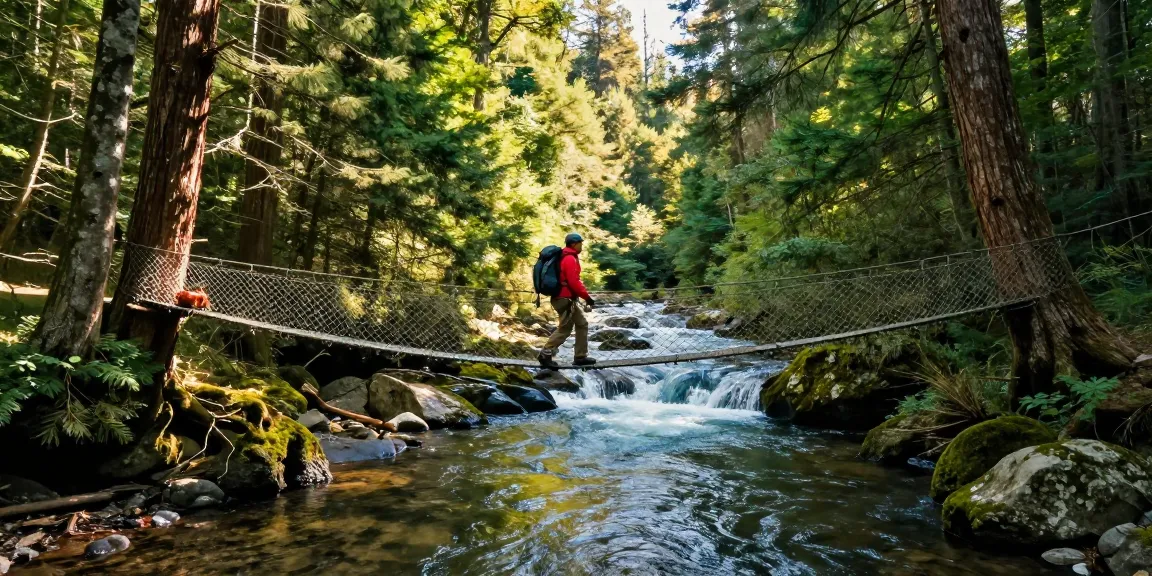
Understanding River Rope Bridges
River rope bridges are a unique and versatile structure often found in rural and adventurous settings. They provide not only practical crossings over rivers but also enhance the aesthetic appeal of an area, contributing to tourism and outdoor recreation. These bridges, often made from durable materials like rope and wood, can be constructed for a variety of purposes, ranging from practical uses to adventurous attractions. When exploring options, River Rope Bridge designs can offer comprehensive insights into model selection and construction techniques.
What is a River Rope Bridge?
A river rope bridge is a type of suspension bridge that uses ropes or cables as the primary means of support. It is typically anchored at both ends, allowing for a flexible yet sturdy crossing over bodies of water. These bridges can vary in complexity from simple pedestrian crossings to more elaborate structures capable of supporting heavier loads. Their design often incorporates aesthetic elements, making them not just functional but also visually appealing.
History and Cultural Significance of Rope Bridges
Rope bridges have a rich history, particularly in South America and Asia, where they have been used for centuries by indigenous people. The Inca civilization, for example, constructed intricate rope bridges made from woven grasses and other natural materials to traverse their rugged mountain landscape. These bridges were crucial for trade and communication between communities. Today, the cultural significance of rope bridges is celebrated through festivals and events, with many modern designs inspired by these historical structures.
Types of River Rope Bridges
- Simple Suspension Bridges: These are the most common type, characterized by minimal materials and straightforward construction. They often consist of a flat walking surface supported by cables.
- Box Girder Bridges: These provide a more rigid structure, ideal for heavier loads and longer spans.
- Hanging Bridges: Often seen in tourist locations, these bridges have significant visual appeal and can be designed for both pedestrians and light vehicles.
Planning Your River Rope Bridge Project
Constructing a river rope bridge requires careful planning and consideration of several factors to ensure safety, durability, and compliance with regulations. Essential points include site selection, materials assessment, and environmental impact.
Key Considerations Before Construction
- Location: Assess the river's width, depth, and current strength, as well as seasonal changes.
- Environmental Impact: Consider the flora and fauna in the area and how construction might affect them.
- Usability: Determine who will use the bridge and for what purposes to guide design.
Materials Needed for Building a Rope Bridge
Building a river rope bridge involves several materials, including:
- Ropes: High-strength synthetic ropes offer excellent durability and resistance to weather elements.
- Decking Material: Wooden planks or composite materials provide a sturdy walking surface.
- Anchoring Systems: Used to secure the bridge at both ends, crucial for stability.
Safety Standards and Regulations
Before embarking on a construction project, it is vital to be aware of local safety standards and regulations regarding bridge construction. Many regions require inspections and certifications to ensure that the structure can support intended loads and withstand environmental conditions.
Constructing a River Rope Bridge
The construction of a rope bridge involves several steps. Each must be followed closely to ensure the bridge is safe and functional.
Step-by-Step Guide to Building Your Bridge
- Design Planning: Create detailed plans and select materials.
- Site Preparation: Clear the construction area of obstacles and lay down foundations for anchor points.
- Constructing the Deck: Assemble the decking material to form the bridge surface.
- Installing the Ropes: Securely attach the ropes to the anchor points and ensure proper tension.
- Final Inspection: Conduct a thorough inspection to ensure safety before use.
Common Mistakes to Avoid During Construction
- Neglecting to assess environmental conditions accurately.
- Using inadequate materials that do not meet safety standards.
- Not involving experienced builders or engineers when needed.
Tips for Ensuring Stability and Safety
To ensure safety and stability, it is essential to:
- Regularly check tension on ropes and anchoring points.
- Inspect the bridge surface for wear and tear.
- Limit the number of users during initial tests to monitor structural integrity.
Maintaining Your River Rope Bridge
Regular maintenance is crucial to prolong the life of your rope bridge and ensure safe usage. This involves routine inspections and prompt repairs when needed.
Regular Inspection and Maintenance Practices
Practices include:
- Monthly inspections for rope wear, strength, and any other signs of degradation.
- Inspecting anchor points and fastenings to prevent failure.
Repair Techniques for Common Damages
Common damages can include:
- Rope Fraying: Replace frayed sections immediately to avoid accidents.
- Decking Damage: Replace or repair damaged planks promptly.
Enhancing Durability and Longevity
To enhance the lifespan of your bridge:
- Use weather-resistant materials.
- Consider protective coatings for wooden elements.
- Implement weight limits to reduce stress on the structure.
Exploring the Benefits of River Rope Bridges
Rope bridges offer various benefits, making them a valuable addition to outdoor spaces.
Environmental Advantages of Using Rope Bridges
Rope bridges are less invasive than traditional bridges, causing minimal disruption to natural habitats and allowing for wildlife movement.
Enhancing Outdoor Recreational Activities
They provide access to various recreational trails, enhancing hiking, biking, and nature exploration opportunities in a given area.
Community Benefits and Accessibility
Such structures can foster community ties by providing local access points for outdoor activities, encouraging social engagement and promoting health and wellness through physical activity.
What are the main advantages of a River Rope Bridge?
Rope bridges are cost-effective, environmentally friendly, and enhance the aesthetic appeal of natural landscapes, all while providing essential access to otherwise unreachable areas.
How do you maintain a River Rope Bridge?
Maintenance involves regular inspections, timely repairs, and monitoring wear and tear on the structural components.
What is the typical cost of building a River Rope Bridge?
The cost can vary widely based on size, materials, and location, but basic rope bridges typically range from a few hundred to several thousand dollars.
Can children safely use River Rope Bridges?
Yes, with proper supervision and safety measures, children can safely enjoy rope bridges, making them ideal for family-friendly hiking spots.
Where can I find materials to build a River Rope Bridge?
Many local hardware stores, builders' merchants, and specialized outdoor equipment suppliers offer materials needed for constructing a river rope bridge.