The Importance of Cultural Exchange
Cultural exchange is a vital process in our increasingly interconnected world, where diverse traditions, ideas, and practices are shared among different communities. By facilitating mutual understanding and compassion, cultural exchange enriches our personal experiences and contributes to social cohesion. In the context of the NAGA2000 platform, which presents the best of Asian culture in Spanish, this concept becomes even more significant. Communities interested in Asian culture have a rich repository of insights and experiences readily available at https://hanadultalk.com.
Understanding Cultural Nuances
When it comes to cultural exchange, recognizing the subtleties within different cultures is imperative. Each culture carries its unique values, beliefs, and practices that shape traditions and social norms. For instance, while the concept of hospitality may be universal, the way it is expressed can vastly differ across cultures. By understanding these nuances, individuals can engage more respectfully and meaningfully with cultures different from their own. Implementing this understanding into bilingual content—such as that found on NAGA2000—can bridge gaps and foster deeper connections.
Benefits of Cultural Appreciation
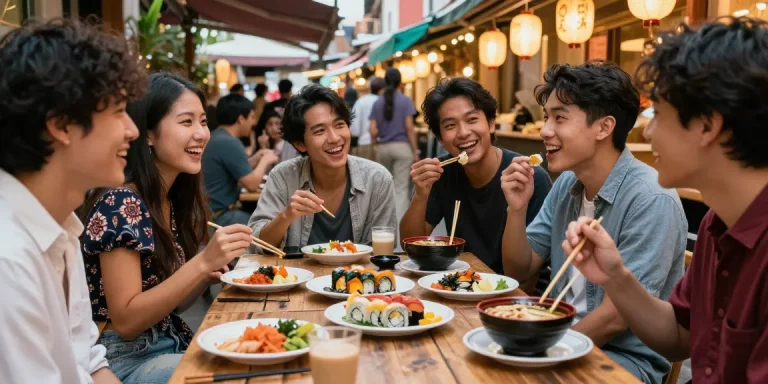
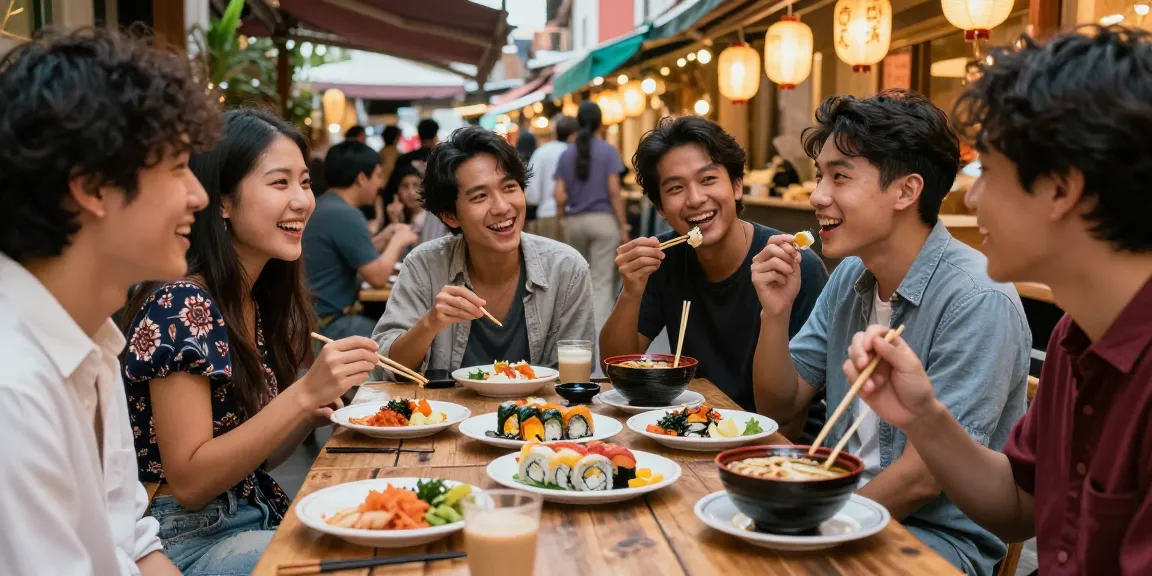
Engaging with other cultures promotes empathy and combats stereotypes. By appreciating the rich tapestry of Asian cultures through Spanish narratives, the platform helps dismantle typical misconceptions often held by those unfamiliar with these traditions. With alluring culinary descriptions, vivid cultural elements, and captivating stories, users can delve into the heart of these cultures, enhancing their overall appreciation for diversity.
Overcoming Language Barriers
Language is often a barrier to cultural exchange, but platforms like NAGA2000 strive to overcome this obstacle by providing content in Spanish. This bilingual approach allows Spanish-speaking audiences not only to access but also to appreciate Asian culture in a language that feels familiar and native. Such strategies pave the way for enhanced dialogue and cultural engagement, significantly improving communication and understanding.
Engagement Strategies for Bilingual Content
Creating engaging bilingual content requires a strategic approach to ensure it resonates with diverse audiences. Effectively merging language and culture can lead to a more immersive experience for readers.
Creating Relatable Content
When cultivating bilingual content, it must be relatable to the target audience. This involves using colloquial expressions, culturally relevant examples, and storytelling techniques that reflect the lives and interests of both Spanish speakers and Asian cultures. The NAGA2000 platform embodies this approach, making the content not just informative but also enjoyable and authentic, which encourages ongoing engagement.
Utilizing Visual Storytelling
Visual elements play a crucial role in enhancing the understanding of cultural narratives. Incorporating images, infographics, and videos related to Asian culture can captivate an audience’s attention and facilitate learning. Visual storytelling can help convey emotions and contexts that words sometimes fail to capture, making it a powerful tool in bilingual content creation.
Integrating Traditional and Modern Elements
Combining traditional cultural aspects with modern influences can provide a nuanced perspective that appeals to a broader audience. For example, showcasing traditional Asian recipes alongside contemporary adaptations can highlight the evolution of culture while still honoring its roots. This approach can spark interest among younger generations seeking to connect with their heritage while engaging with global trends.
Building a Community around Asian Culture
Establishing a thriving community around cultural interests requires careful consideration of platforms and strategies that encourage participation and interaction.
Platforms for Interaction
Identifying the right platforms for cultural interaction is essential. The NAGA2000 platform serves not only as a content hub but also as a community space where fans of Asian culture can engage with one another. Social media, forums, and blogs dedicated to specific cultural themes can further enhance this interaction, allowing users to share experiences, insights, and recommendations.
Encouraging User-Generated Content
User-generated content can significantly amplify community engagement. Encouraging readers to share their own stories, experiences, and insights about Asian culture fosters a sense of belonging and community ownership. This participatory approach can lead to more diverse narratives, reflecting a wide range of perspectives and experiences.
Fostering Inclusivity and Participation
Creating an inclusive environment where all voices are welcomed is critical to sustaining a vibrant community. By promoting diverse contributors and highlighting varying viewpoints, platforms like NAGA2000 can create a space that celebrates cultural diversity. This inclusivity encourages participation, allowing users to feel valued and heard.
Challenges in Content Creation
Despite the numerous benefits of cultural exchange and bilingual content, there are several challenges that creators must face in their endeavors.
Identifying Audience Preferences
Understanding the preferences and motivations of a bilingual audience can be complex. Cultural nuances greatly influence tastes, interests, and engagement levels. Conducting market research, audience surveys, and social listening can help creators pinpoint what resonates with their audience and adjust their content strategies accordingly.
Maintaining Authenticity in Representation
Authenticity is crucial in cultural representation. Misrepresentation or oversimplification can perpetuate stereotypes or downplay the richness of the culture. Therefore, it is vital for content creators to engage with cultural experts, community members, and authentic sources to ensure accurate and respectful representation of the cultures they engage with.
Navigating Cultural Sensitivities
Each culture comes with its own set of sensitivities. Navigating these with care is essential to avoid offending or alienating audiences. Content creators must be aware of the cultural context and be willing to learn, adapt, and listen to feedback from the communities they aim to represent.
Future Trends in Cross-Cultural Content
As we look toward the future, several trends are poised to shape the landscape of cross-cultural content creation, particularly in the realm of bilingual engagement.
Emerging Digital Platforms
With the rapid evolution of technology, new platforms are constantly emerging, offering fresh avenues for cultural exchange. Social media apps, video-sharing platforms, and interactive websites are reshaping how cultural narratives are shared and consumed. Understanding these trends allows creators to optimize their content for relevant platforms, ensuring they effectively reach their target audiences.
Innovative Content Formats
The rise of formats such as podcasts, webinars, and interactive storytelling allows for a more immersive experience that resonates with younger generations. Engaging audiences through diverse content forms can promote cultural stories in exciting and accessible ways.
Predicting Audience Engagement Patterns for 2026
Looking ahead to 2026, it is essential to anticipate how audience engagement patterns may evolve. Factors such as technological advancements, cultural shifts, and global events will play a significant role in determining how audiences interact with cultural content. Monitoring these trends will enable content creators to adapt their strategies, ensuring relevance and resonance with their audience.
How can I enhance my language skills with cultural content?
Enhancing language skills through cultural content is highly effective. Engaging with stories, recipes, and cultural discussions can provide contextual learning that reinforces language acquisition. The key lies in consuming diverse content that combines language learning with familiar cultural themes.
What are the best practices for creating bilingual content?
Best practices for creating bilingual content include ensuring accurate translations, understanding cultural contexts, and maintaining a conversational tone. Effective bilingual content should cater to the linguistic and cultural preferences of the target audience.
How do I engage my audience effectively?
Engaging your audience effectively requires a deep understanding of their interests and preferences. Utilizing feedback, encouraging interaction, and creating relatable narratives can significantly enhance engagement levels.
What challenges can arise in cross-cultural communication?
Challenges in cross-cultural communication may include language barriers, differing cultural assumptions, and potential stereotypes. Being aware of these challenges is critical for fostering better understanding and communication.
What future trends should I consider in cultural content?
Future trends to consider in cultural content include the increasing importance of digital storytelling, the rise of interactive formats, and a focus on inclusivity. Adapting to these trends will ensure that content remains relevant and engaging.
About the Author