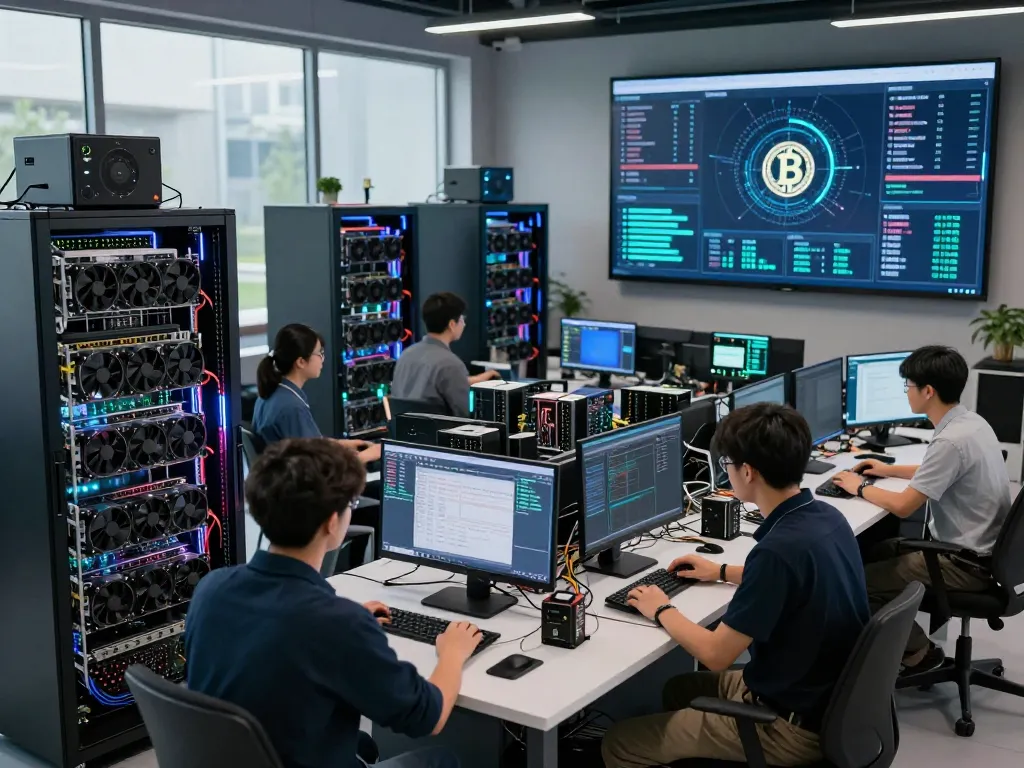
Understanding AI Crypto Mining
As the cryptocurrency landscape continues to evolve, the integration of artificial intelligence (AI) is reshaping how mining is conducted. AI crypto mining combines traditional mining methods with advanced algorithms and machine learning, enhancing efficiency and profitability. This innovative approach is gaining traction as miners look for ways to optimize operations and adapt to market changes. When exploring options, AI crypto mining offers comprehensive insights into these emerging technologies.
What is AI Crypto Mining?
AI crypto mining refers to the process of using artificial intelligence tools and techniques to optimize the mining of cryptocurrencies. This includes leveraging machine learning models to predict market trends, optimize mining operations, and manage resources more effectively. Unlike traditional mining, which relies heavily on raw computational power, AI mining focuses on maximizing output through smarter management of equipment and energy consumption.
How AI Technology Enhances Mining Efficiency
Through machine learning algorithms, miners can analyze vast amounts of data to make informed decisions about when and how to mine specific cryptocurrencies. AI can also optimize hardware usage by dynamically adjusting the operations based on real-time data and performance metrics. Additionally, predictive analytics can forecast market movements, allowing miners to align their activities with potential profit peaks, thus improving overall efficiency.
Benefits of Integrating AI in Cryptocurrency Operations
- Enhanced Decision-Making: AI systems can process and analyze data at a speed and scale beyond human capability, leading to better decision-making in mining strategies.
- Increased Profitability: By reducing operational costs and optimizing energy use, AI mining can significantly boost profitability.
- Scalability: AI technologies can easily scale operations, accommodating growing mining needs without a corresponding increase in resource consumption.
- Improved Security: AI tools enhance security measures in crypto mining by detecting anomalies and potential threats in real-time.
Challenges in AI Crypto Mining
Despite the advantages, several challenges must be addressed for successful AI integration in crypto mining. Understanding these barriers is critical for stakeholders looking to adopt this technology.
Common Misconceptions About AI and Crypto
One prevalent misconception is that AI can entirely replace human miners. While AI can automate and optimize tasks, human oversight is still vital for strategic decision-making. Additionally, many believe that integrating AI is prohibitively expensive, whereas the long-term cost savings can outweigh initial investment barriers.
Technical Barriers to Successful Implementation
Implementing AI solutions involves technical challenges, such as integrating machine learning models with existing mining operations. Miners must ensure compatibility with their hardware and software configurations while overcoming issues related to data collection and processing.
Cost Analysis of AI vs. Traditional Mining Methods
While traditional mining methods require significant up-front investment in hardware, AI integration can lead to lower ongoing costs. A thorough cost analysis reveals that, although AI systems may involve a higher initial investment, the long-term savings through efficiency gains, reduced energy consumption, and improved profitability make it an economically viable option.
Best Practices for AI Crypto Mining
To maximize the benefits of AI in crypto mining, it is crucial to follow best practices that ensure effective implementation and operation.
Setting Up an Efficient Mining Rig
Investing in high-performance mining rigs equipped with AI capabilities is essential. This involves selecting hardware optimized for both mining and computational tasks, ensuring that it can handle the demands of AI applications without sacrificing performance.
Utilizing AI Tools for Performance Optimization
There are numerous AI tools available that can help miners improve performance. These tools can analyze mining data, predict equipment failures, and provide insights into optimal mining conditions. Utilizing these resources can enhance operational efficiency significantly.
Energy Management Strategies in AI Mining
Effective energy management is crucial for profitability in mining. AI can optimize energy consumption by dynamically adjusting mining activities based on energy prices, usage patterns, and peak demand times. This not only reduces costs but also promotes sustainability in mining operations.
Real-World Applications of AI Crypto Mining
Several companies have successfully integrated AI into their mining operations, showcasing the practical applications and benefits of this technology.
Case Studies of Successful AI Integration
Many leading miners have reported significant efficiency gains after adopting AI technologies. For instance, some mining farms now use AI to monitor equipment health and predict maintenance needs, which reduces downtime and maintains operational efficiency.
Emerging Trends in the Industry
The landscape of AI crypto mining is rapidly changing. Innovations such as AI-driven predictive modeling and automated decision-making systems are becoming common. These trends signal a shift toward more sophisticated, data-driven approaches in mining operations.
Impact on Profitability and Sustainability
The integration of AI not only enhances profitability but also contributes to the sustainability of mining practices. By optimizing energy use and minimizing waste, AI-driven mining can operate more environmentally friendly, thus attracting stakeholders concerned about the ecological impact of cryptocurrency mining.
Future Trends and Predictions for 2026
As we move further into 2026, the role of AI in cryptocurrency mining is expected to expand, bringing forth a series of innovations that could redefine the industry.
The Role of AI in Shaping Cryptocurrency Markets
AI will play a crucial role in shaping market dynamics, offering real-time data analysis and predictive insights that can guide investment strategies. This capability will empower miners to adapt quickly to evolving market conditions.
Potential Innovations on the Horizon
Future innovations may include advanced blockchain integration with AI systems, allowing for seamless operations that enhance miner efficiency and profitability. Potential developments in quantum computing could further revolutionize mining technologies, pushing the boundaries of current capabilities.
Preparing for the Next Wave of AI Integrations
To stay competitive, miners must continuously adapt to new AI technologies and methodologies. This preparation involves ongoing investment in education and training to ensure personnel can effectively leverage AI tools as they evolve.
What is the current state of AI crypto mining?
The current state of AI crypto mining is characterized by a growing acceptance of these technologies, as more miners recognize the benefits of integrating AI into their operations. It represents a blend of traditional mining practices with cutting-edge technology.
Can AI-based models predict cryptocurrency prices?
Yes, AI models can analyze historical price data and market trends to provide insights into potential future price movements, aiding miners and investors in making informed decisions.
How can individuals start with AI crypto mining?
Individuals interested in AI crypto mining can begin by investing in mining hardware with AI capabilities, learning about different AI tools available, and staying informed about market trends to optimize their strategies.
What tools are essential for effective AI crypto mining?
Key tools for successful AI crypto mining include advanced mining software that incorporates AI capabilities, robust data analytics tools, and energy management systems designed to optimize resource usage.
Are there risks associated with AI in cryptocurrency?
While AI offers numerous advantages, there are risks, including reliance on technology that may not be foolproof and the potential for cyber threats. Proper security measures and informed decision-making are essential to mitigate these risks.