Overview of Video Editing Courses for Beginners
In the ever-evolving landscape of digital content, video editing has become an essential skill for creators across various platforms. Whether you’re a budding YouTuber, a social media influencer, or a professional looking to pivot into video production, understanding the ins and outs of video editing is crucial. As we step into 2026, there’s no better time to embark on your video editing journey, especially with comprehensive courses tailored for beginners. When exploring options, Best video editing course for beginners provides comprehensive insights into essential skills and techniques.
Why Video Editing is Essential in 2026?
As the demand for video content surges, so does the need for skilled editors who can transform raw footage into engaging narratives. In 2026, video editing is more than just a technical skill; it has become a form of storytelling that captivates audiences. With platforms like TikTok and Instagram favoring video content, the ability to edit effectively can set individuals apart in their respective fields.
- Engagement: Videos significantly increase user engagement compared to other forms of content.
- Versatility: Skills in video editing apply across various industries, including marketing, film, education, and entertainment.
- Career Opportunities: The demand for video editing professionals continues to grow, offering lucrative career paths.
Learning video editing in 2026 will not only enhance your employability but also allow you to express your creativity through visual narratives.
Key Features of an Effective Course
When selecting a video editing course, it’s important to evaluate its features carefully. Effective courses should provide a well-rounded education that covers both technical skills and creative insights. Here are some key aspects to consider:
- Structured Curriculum: Look for courses that offer a clear progression from beginner to advanced topics.
- Hands-On Projects: Practical experience through real-world projects enhances learning retention.
- Industry-Relevant Tools: Courses should focus on widely used software like Adobe Premiere Pro, Final Cut Pro, or DaVinci Resolve.
- Support and Community: A vibrant community and access to instructors can greatly enhance the learning experience.
These features ensure that you gain a holistic understanding of video editing, preparing you for real-world challenges.
Comparison with Competitor Offerings
The video editing course landscape is crowded, with numerous providers offering various paths to mastery. However, it’s essential to differentiate between basic offerings and those that truly equip you for success. Competitor courses may provide limited access to resources, or fail to offer personalized feedback. In contrast, courses like the ones available at Best video editing course for beginners stand out by combining comprehensive lessons with direct guidance from industry professionals.
Understanding the Basics of Video Editing
Core Video Editing Principles Every Beginner Should Know
For novices, understanding the fundamental principles of video editing is crucial. Here are some core concepts that every beginner should grasp:
- Cutting and Trimming: Mastering how to cut and trim footage is essential for creating coherent narratives.
- Transitions: Knowing which transitions to use can enhance storytelling and maintain viewer interest.
- Color Correction: This involves adjusting the colors in your video to ensure visual coherence and aesthetics.
- Audio Editing: Good sound design can elevate a video, making audio skills just as important as video skills.
Grasping these principles provides a strong foundation for more advanced techniques and creative expression.
Tools and Software Overview for New Editors
An essential step in your video editing journey is familiarizing yourself with the tools and software available. Here, we break down some of the most popular options:
- Adobe Premiere Pro: Widely regarded as the industry standard, it offers powerful editing features, making it ideal for both beginners and professionals.
- Final Cut Pro: An excellent choice for Mac users, known for its intuitive interface and efficiency in handling complex projects.
- DaVinci Resolve: This free software is known for its robust color grading capabilities and is perfect for beginners wanting to explore editing without financial commitment.
- iMovie: A user-friendly option for beginners starting on Apple devices, ideal for simple video projects.
Choosing the right software tailored to your needs will enhance your learning experience and editing capabilities.
Common Mistakes to Avoid in Your First Edits
As a beginner, it’s easy to make mistakes that can derail your learning process. Here are common pitfalls to avoid:
- Lack of Planning: Jumping straight into editing without a clear plan can lead to chaotic projects.
- Ignoring Audio Quality: Many beginners focus solely on visuals, neglecting the significance of sound.
- Overusing Effects: While it’s tempting to use various effects, moderation is key to maintaining professionalism.
- Not Backing Up Work: Always save and back up your projects to avoid losing hard work.
By being mindful of these mistakes, you can streamline your learning process and create polished videos more effectively.
Setting Up Your Video Editing Workspace
Essential Gear for Beginners in Video Editing
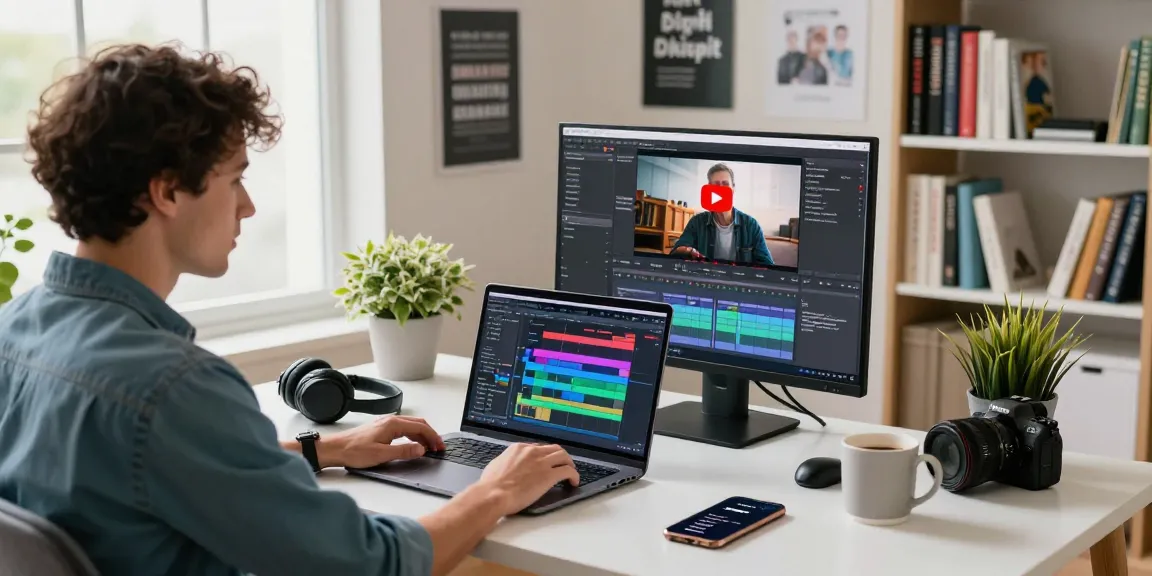
Setting up an efficient editing workspace is vital for productivity. Here’s a list of essential gear:
- Computer: A powerful machine with good processing speed and enough RAM will significantly improve editing performance.
- External Storage: Adequate storage is essential for managing large video files.
- Monitor: A high-resolution monitor helps you to see details clearly and make accurate color corrections.
- Headphones: Quality headphones are crucial for audio editing and mixing.
Investing in the right equipment will facilitate a smoother editing process and improve your output quality.
Creating an Inspiring Editing Environment
Your editing environment should be conducive to creativity and concentration. Here are some tips for creating an inspiring space:
- Lighting: Good lighting can reduce eye strain and increase focus.
- Ergonomics: Ensure your chair and desk are comfortable to prevent fatigue.
- Decluttering: A tidy workspace can enhance productivity and focus.
By optimizing your workspace, you’ll find it easier to stay motivated and focused during long editing sessions.
Utilizing Online Resources and Communities
Online resources are abundant and can greatly assist your learning process. Consider the following:
- Tutorials: Websites like YouTube offer countless tutorials on specific editing techniques and software tips.
- Forums: Joining communities such as Reddit or dedicated forums can provide invaluable feedback and support.
- Online Courses: Engaging in structured online courses ensures you receive comprehensive education with expert guidance.
Leveraging these resources can provide you with additional insights and accelerate your learning process.
Progressing from Beginner to Intermediate Skills
Building a Portfolio of Work
As you gain experience, creating a portfolio is essential for showcasing your skills. Here are steps to build an impressive portfolio:
- Start Small: Work on small projects to build your confidence and demonstrate your style.
- Diverse Content: Include various types of videos to showcase your versatility.
- Quality Over Quantity: Focus on producing high-quality projects that reflect your best work.
A well-curated portfolio can be a powerful tool for attracting clients or job opportunities.
Advanced Techniques to Enhance Your Edits
Once you’ve mastered the basics, it’s time to explore advanced editing techniques:
- Color Grading: Elevate your visuals by learning color grading techniques for a polished look.
- Advanced Transitions: Experiment with custom transitions to maintain viewer interest.
- Motion Graphics: Adding motion graphics can make your videos more engaging.
These advanced techniques will help you stand out and develop a unique editing style.
Networking and Collaborating with Other Creatives
Collaboration is key in creative industries. Here are ways to build a network:
- Attend Workshops: Participate in local or online workshops to meet fellow creators.
- Social Media: Use platforms like LinkedIn and Instagram to connect with professionals in your field.
- Join Online Groups: Engage in online communities that focus on video production to exchange ideas and experiences.
Networking can open up collaboration opportunities that enhance your skills and expand your reach.
Future Trends in Video Editing Education
The Impact of AI and Automation on Editing
As technology advances, AI and automation are increasingly influencing video editing. Here’s what to expect:
- Automated Editing: Tools that automatically edit footage based on pre-set parameters are becoming popular.
- AI-Assisted Tools: Software that uses AI to enhance color grading and audio editing is on the rise.
Understanding these tools can provide an edge in a competitive job market where efficiency is essential.
Emerging Formats and Styles in 2026
In 2026, new video formats and styles are emerging, driven by changing viewer preferences:
- Vertical Videos: With the rise of mobile consumption, vertical videos are becoming the norm.
- Interactive Content: Videos that allow viewer interaction are gaining popularity, creating engaging experiences.
Keeping an eye on these trends will ensure your skills remain relevant and in demand.
Continual Learning: Staying Current in the Industry
The video editing industry is always evolving, making continual learning essential. Consider the following strategies:
- Follow Industry Blogs: Stay informed by reading blogs and articles about the latest technologies and trends.
- Engage with Webinars: Participate in webinars to learn from experts about new editing techniques and tools.
Adapting to changes in the industry will keep your skills sharp and open new opportunities.
What are the benefits of taking a video editing course?
Taking a video editing course offers numerous advantages, including structured learning, access to expert feedback, and the opportunity to network with fellow creatives. Courses also provide hands-on experience that can greatly enhance your skills faster than self-study.
Which software is best for beginners in video editing?
While there are many software options available, beginners often find Adobe Premiere Pro and iMovie to be user-friendly and feature-rich choices. These programs provide a solid foundation to build your editing skills.
How long does it take to learn video editing?
The time it takes to learn video editing varies by individual, but with dedicated practice, you can become proficient in the basics within a few weeks to months. Mastery of advanced techniques may take longer, depending on your goals and the complexity of your projects.
Are online video editing courses recognized in the industry?
Yes, many employers recognize online video editing courses, especially those from reputable platforms. Completing such courses demonstrates your initiative and commitment to learning, making you more appealing to potential employers.
What can I achieve by completing a beginner video editing course?
By completing a beginner video editing course, you will gain foundational skills, learn to use essential software, and have the confidence to tackle your own video projects. This knowledge will serve as a stepping stone toward more advanced editing techniques and creative opportunities.
About the Author