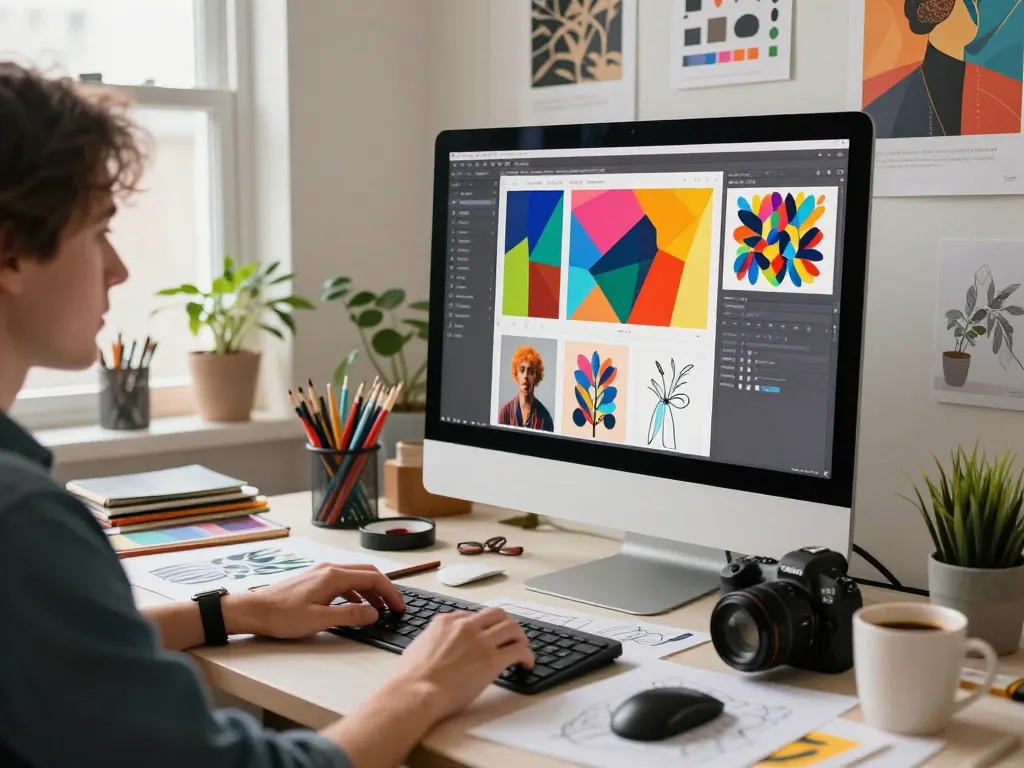
Understanding the Image to Prompt Generator
The advent of artificial intelligence has revolutionized the way we interact with technology, especially in creative fields. One such innovation is the image to prompt generator, a powerful tool that converts images into descriptive text prompts that can be utilized to generate further AI-created images. Understanding how this technology works can greatly enhance your creative projects, allowing you to leverage visual information in a new and innovative way.
What is an Image to Prompt Generator?
An image to prompt generator is a sophisticated AI tool designed to analyze visual content and translate it into text prompts that capture the essence of the image. By interpreting elements such as the subject, environment, and artistic style, the generator creates detailed textual descriptions that can be fed into various AI models to produce new images or enhance existing ones. This tool serves as a bridge between visual art and natural language, facilitating a seamless interaction between different forms of creative expression.
How the Tool Works: A Step-by-Step Guide
Using an image to prompt generator typically involves a few straightforward steps. First, upload your image in formats such as PNG, JPG, or WEBP, ensuring it does not exceed the size limit of 10MB. Once the image is uploaded, the AI analyzes its content by assessing various components, such as colors, shapes, and objects within the frame. After a brief processing time, the generator produces a detailed prompt that encapsulates the image’s features.
- Upload Your Image: Drag and drop your image or select it from your device.
- Generate Prompt: Click the “Generate Prompt” button to start the analysis.
- Receive Your Prompt: Within seconds, a textual description of your image will be ready for use.
- Refine or Use Directly: You can choose to edit the generated prompt or use it as-is for your projects.
Benefits of Using Image to Prompt Generators
There are numerous advantages to using an image to prompt generator. These tools harness the power of AI to facilitate creativity and enhance productivity:
- Speed: Create prompts quickly without needing to brainstorm or describe details manually.
- Consistency: Ensure that the prompts are nuanced and reflective of the image’s content consistently.
- Versatility: Use the generated prompts with various AI image generation models like Midjourney, Stable Diffusion, and Gemini.
- Inspiration: Discover new creative directions and ideas sparked by the generated prompts.
How to Use an Image to Prompt Generator Effectively
Maximizing the potential of an image to prompt generator requires understanding how to best utilize the tool. Here are some practical insights tailored to improve your experience.
Choosing the Right AI Model for Your Needs
Different AI models come with varying strengths and capabilities. For instance, if your goal is to create highly detailed and realistic images, models like Stable Diffusion may be ideal. Conversely, if you’re looking for stylized or fantastical interpretations, Midjourney might offer better results. Familiarizing yourself with the nuances of each model can greatly enhance the effectiveness of your prompts.
Tips for Optimizing Uploaded Images for Best Results
To achieve optimal results, consider the following tips when selecting images:
- High Resolution: Use high-quality images that clearly portray the subject matter.
- Simple Backgrounds: Images with less clutter can help the AI focus on the main subject.
- Variety of Subjects: Experiment with different types of images to explore diverse prompt outputs.
Common Mistakes to Avoid When Generating Prompts
When using an image to prompt generator, avoid these common pitfalls to ensure the best outcomes:
- Overly Complex Images: Avoid images that are too busy, as this can confuse the AI and lead to vague prompts.
- Ignoring Model Specifics: Do not neglect the specific capabilities and focus of the AI model you are using.
- Not Refining Prompts: Always review and refine generated prompts to best suit your creative needs.
Exploring Different Types of Prompts Generated
Understanding the types of prompts that can be generated is crucial for leveraging the capabilities of an image to prompt generator. Here we delve into several categories of prompts.
Descriptive Prompts: Crafting Detailed Imaginations
Descriptive prompts provide rich, vivid detail that informs the viewer about the scene, subject, and emotions captured in the original image. For instance, a prompt may detail a young woman with headphones against a cityscape by night, highlighting the mood and setting vividly.
Structured Prompts: Facilitating Clarity in Directions
Structured prompts typically consist of clear, direct instructions or specifications that improve the AI’s understanding of what is needed. These can include aspects such as the desired style (photorealistic, cartoonish, etc.), perspective (wide shot, close-up), and even elements like lighting and color tone.
Creative Prompts: Sparking Innovative Ideas
Creative prompts can stimulate new ideas and innovative directions for projects. By incorporating imaginative elements and suggestions, these prompts inspire users to experiment and explore beyond traditional boundaries.
Improving AI Image Results with Prompts
Generated prompts can significantly enhance the quality of images produced through AI by providing context and detailed guidance on the expected outcomes.
How Generated Prompts Enhance AI Image Quality
By utilizing explicitly detailed prompts, AI models gain valuable context that significantly boosts image quality. Instead of generating random outputs, the models interpret the specifics, leading to more coherent and visually appealing results.
Case Studies: Successful AI Image Transformations
Various examples demonstrate how effective prompting can transform AI art. For instance, artists using prompts for original fantasy landscapes have reported a marked improvement in the richness of detail and overall aesthetics when compared to results generated from generic prompts.
Future Trends in AI Prompt Generation for Images
As AI continues to evolve, so too will the capabilities of image to prompt generators. Emerging trends may include greater integration of user feedback loops, allowing for more personalized and context-aware prompts. Additionally, advancements in machine learning may yield better understanding of artistic intent, potentially revolutionizing creative workflows.
Frequently Asked Questions About Image to Prompt Generators
Understanding the functionality and applications of image to prompt generators can help users maximize their use. Here are answers to common queries.
Is the Image to Prompt Generator free to use online?
Many image to prompt generators offer free usage options, allowing users to explore the technology without financial obligation. Some may also provide premium features for advanced functionalities.
Can I use my generated prompts with popular AI models?
Yes, generated prompts are designed to be compatible with leading AI models like Midjourney, Stable Diffusion, and Gemini, ensuring wide applicability in various creative projects.
What types of images work best with the generator?
High-quality, visually clear images tend to yield the best results. Preferably, these should focus on singular subjects with reduced background noise to allow for precise interpretations.
How does the generator ensure prompt accuracy and relevance?
The underlying AI algorithms use advanced pattern recognition and context analysis to ensure that the generated prompts accurately reflect the characteristics and emotions depicted in the original images.
What are the future trends in image-to-prompt technologies?
The future may hold advancements such as improved contextual understanding, better user customization options, and the ability to generate prompts that align closely with specific artistic goals and styles.
About the Author