
Understanding Bed Bugs and Their Impact on Homes
Bed bugs are resilient pests that can significantly disrupt your peace of mind and comfort in your home. Infesting beds, couches, and other furniture, these tiny insects not only cause physical discomfort through their bites but can also create a psychological burden for those dealing with an infestation. In Milwaukee, the need for reliable and effective bed bug pest control solutions is paramount given the increasing reports of bed bug sightings in homes, hotels, and commercial establishments.
What are Bed Bugs?
Bed bugs, scientifically known as Cimex lectularius, are small, brownish insects that feed on the blood of humans and animals. Adult bed bugs are approximately the size of an apple seed, and they can live for several months without feeding. They are primarily nocturnal, which means they are most active during the night, making them particularly elusive during daytime hours.
Signs of a Bed Bug Infestation
Identifying a bed bug infestation early can save you time, money, and stress. Common signs include:
- Itchy, red welts on the skin, often in a line or cluster.
- Small bloodstains on sheets or mattresses from crushed bugs.
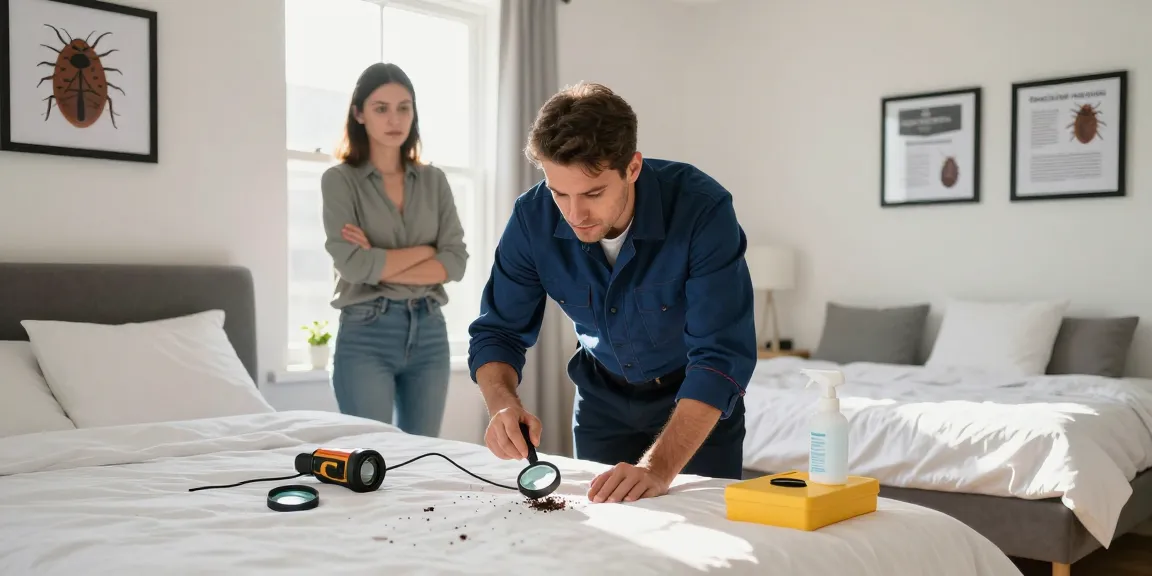
- Dark spots of fecal matter on bedding or furniture.
- Visible bed bugs or their eggs in hiding spots such as mattress seams, bed frames, and cracks in the wall.
Common Myths about Bed Bugs
There are several myths surrounding bed bugs that can hinder effective treatment. For instance, many believe that bed bugs only infest dirty homes. In reality, they can thrive in any environment where they have access to a food source. Additionally, some people think bed bugs are only found in beds, but they can also hide in furniture, luggage, and even electronics.
Effective Bed Bug Pest Control Solutions
When facing a bed bug infestation, knowing your treatment options is critical. Milwaukee residents have access to a variety of effective pest control solutions tailored to combat these stubborn intruders.
Heat Treatment vs. Chemical Spray: Which is Best?
Heat treatment is an eco-friendly method that involves raising the temperature of the infested area to a level that is lethal to bed bugs at all life stages, including eggs. It is highly effective and does not leave behind chemical residues. On the other hand, chemical spray treatments provide a long-lasting residual effect, creating barriers that continue to kill bed bugs for up to 120 days after application. Each method has its advantages, and often a combination of both will yield the best results.
Non-Toxic Alternatives for Pest Control
For those concerned about chemicals, non-toxic options exist, such as steam cleaning and diatomaceous earth, a natural powder that can damage the exoskeletons of bed bugs. While these methods may be less effective for severe infestations, they can be advantageous as preventive measures or in conjunction with other treatments.
Combining Methods for Maximum Efficacy
Ultimately, the most effective strategy for bed bug pest control is to employ a combination of methods. Using heat treatment followed by a chemical spray can safeguard your home against future infestations. Regular inspections and vigilance are also critical components in ensuring long-term success against bed bugs.
Preparing Your Home for Bed Bug Treatments
Proper preparation before treatment can make a significant difference in the effectiveness of the pest control methods employed. Homeowners are encouraged to follow specific steps to enhance the chances of successful eradication.
Steps for Homeowners Before Treatment
Before any treatment, you should remove any clutter from your living space, wash all bedding and clothing in hot water, and vacuum the affected areas thoroughly. This preparation helps in maximizing the impact of the pest control treatment. Ensure that you discuss the specific steps with your exterminator, as they may have tailored recommendations based on your unique situation.
What to Expect During the Treatment Process
During the treatment, specialists will assess the infestation’s extent, often utilizing advanced techniques like K9 detection to locate bed bugs in the hardest-to-reach areas. Treatments may take several hours, and you may need to vacate your home temporarily, especially if heat treatment is used.
Post-Treatment Home Care
After treatment, it’s crucial to maintain a proactive approach. Continue monitoring for signs of bed bugs, and consider employing preventive measures like encasements for your mattresses and box springs. Regular cleaning and vigilance will help you avoid re-infestation.
The Role of Professional Exterminators in Bed Bug Control
While DIY solutions may seem appealing, professional exterminators bring expertise and access to more effective methods and products. Understanding their role is essential in effectively managing a bed bug situation.
Choosing the Right Pest Control Service
When selecting a pest control service, look for companies with positive reviews, experience in bed bug treatments, and transparency in their methods and pricing. A reputable exterminator will provide a thorough assessment and a detailed treatment plan tailored specifically to your needs.
Benefits of Expert Intervention
Hiring a professional not only saves time but also enhances the likelihood of full eradication. Experts can effectively identify and treat hidden infestations and provide valuable insights on how to prevent future occurrences.
How to Evaluate Treatment Results
Post-treatment, keep track of any signs of bed bugs. Follow-up inspections or treatments may be necessary to ensure long-term success. Staying in contact with your exterminator can provide peace of mind and ensure a comprehensive approach to your bed bug management.
Future Trends in Bed Bug Pest Control for 2026 and Beyond
As bed bug populations continue to rise, the pest control industry is evolving. Staying informed about emerging trends can equip homeowners and businesses with the knowledge needed to combat infestations effectively.
Emerging Technologies in Pest Control
Technological advancements are paving the way for more effective treatment methods. Innovations include digital monitoring systems that can detect bed bugs in real-time, allowing for immediate intervention.
Integrating Smart Solutions for Monitoring
Smart monitoring solutions can provide alerts when pests are detected, enabling a proactive approach to treatment. These systems can be integrated within various living environments, making it easier to maintain a bed bug-free home.
Community Awareness and Education
Community initiatives to raise awareness about bed bug identification and prevention can play a crucial role in reducing infestations. Educational programs can provide useful information on how to avoid bringing bed bugs home from travels or purchases.
What Should You Do If You Suspect an Infestation?
If you suspect a bed bug infestation, act quickly. Document any signs of bed bugs, contact a pest control professional for an inspection, and avoid moving items around your home, as this can spread the infestation.
Can DIY Solutions Be Effective?
DIY methods can sometimes kill individual bugs but are generally not sufficient for complete eradication of an established infestation. Professional-grade treatments are often necessary to eliminate bed bugs fully.
What Are the Costs Associated with Bed Bug Treatments?
The cost of bed bug treatments can vary widely depending on the extent of the infestation, the methods used, and your location. It’s advisable to obtain multiple quotes and consider not just the price but also the reputation and effectiveness of the services offered.
About the Author