
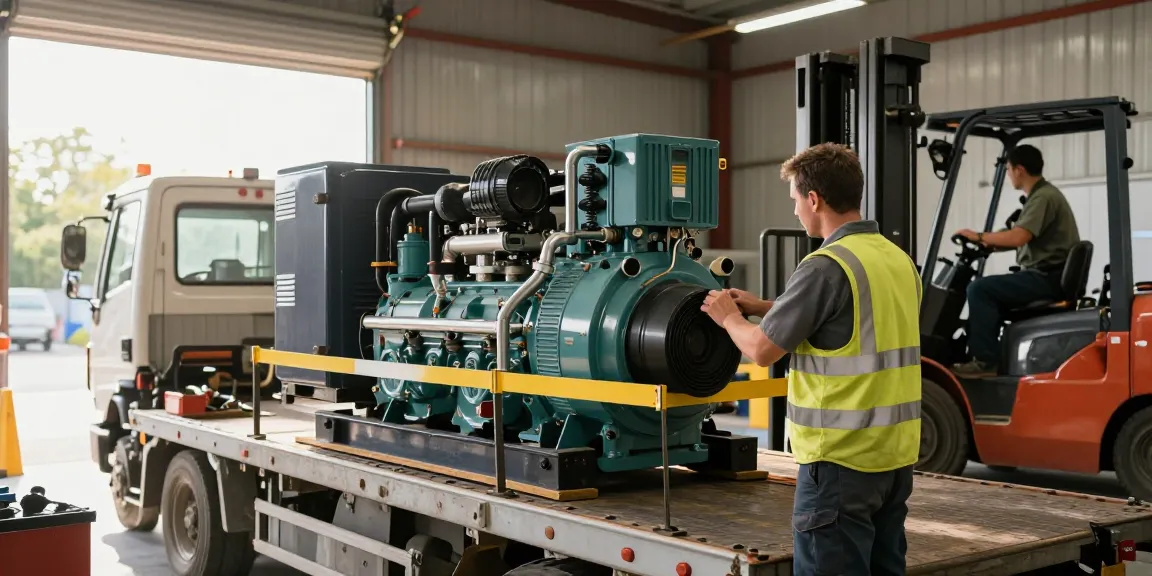
Understanding Diesel Gensets
In today’s ever-evolving energy landscape, the demand for reliable and efficient power solutions is greater than ever. Diesel generator sets, commonly referred to as diesel genset, have emerged as a predominant choice for industries and applications requiring steady power supply. From construction sites to healthcare facilities, these robust powerhouses provide a dependable source of energy, particularly in regions lacking grid stability. In this article, we will explore the intricacies of diesel gensets, including their core components, applications, benefits, maintenance practices, and emerging trends in the industry.
What is a Diesel Genset?
A diesel genset is a self-contained unit that combines a diesel engine with an electric generator, typically an alternator, to produce electricity. This combination allows for efficient energy conversion and reliable operation, making diesel gensets a preferred choice for both emergency backup power and primary power generation. Diesel engines are known for their durability and fuel efficiency, which contributes to the overall effectiveness of gensets in various operational environments.
Key Components and Their Functions
Understanding the key components of a diesel genset is crucial for appreciating its functionality. The primary components include:
- Diesel Engine: This is the heart of the genset, converting fuel into mechanical energy.
- Alternator: This component transforms mechanical energy from the engine into electrical energy.
- Control Panel: It monitors and controls the genset’s operation, providing essential data such as voltage, frequency, and running time.
- Fuel System: The system ensures a steady supply of diesel fuel to the engine for efficient combustion.
- Cooling System: This prevents the engine from overheating by dissipating heat generated during operation.
- Exhaust System: It channels exhaust gases away from the engine to minimize emissions and noise.
Applications of Diesel Gensets Across Industries
Diesel gensets are utilized across a wide range of industries due to their versatility and reliability. Some notable applications include:
- Construction: Providing power on construction sites for tools, lighting, and equipment in remote areas.
- Healthcare: Ensuring continuous power supply to hospitals and medical facilities for life-saving equipment.
- Telecommunications: Supporting communication networks that require uninterrupted operation.
- Agriculture: Powering irrigation systems and machinery in off-grid locations.
- Events and Entertainment: Supplying power for festivals, concerts, and outdoor events where grid connections may be unavailable.
Benefits of Using Diesel Gensets
Fuel Efficiency and Cost Savings
One of the primary advantages of diesel gensets is their fuel efficiency. Diesel engines are known for their ability to operate for extended periods on less fuel compared to gasoline engines. This efficiency translates into significant cost savings, as operators spend less on fuel over time. Additionally, the longevity of diesel engines means lower maintenance and replacement costs, making them a financially advantageous choice in the long term.
Reliability in Power Supply
Reliability is crucial in power generation, particularly for critical applications. Diesel gensets are engineered to deliver consistent performance, even under challenging conditions. They are capable of starting quickly and sustaining high loads, making them ideal for emergency backup situations. This reliability minimizes the risk of downtime, ensuring that operations can continue smoothly.
Environmental Impact and Compliance Considerations
While diesel generators have traditionally been associated with higher emissions, advances in technology have improved their environmental performance. Many modern diesel gensets are equipped with emission control systems that meet or exceed regulatory standards. These systems help reduce pollutants, making diesel gensets a more environmentally friendly option compared to older models. Moreover, the use of cleaner diesel fuels and biodiesel variations is on the rise, further enhancing their sustainability profile.
Choosing the Right Diesel Genset for Your Needs
Assessing Power Requirements
When selecting a diesel genset, it is essential to accurately assess power requirements. Understanding how much power is needed involves evaluating the total wattage of all connected devices and systems. This ensures that the chosen genset can handle the load efficiently without being overworked, which could lead to premature failure.
Evaluating Generator Sizes and Ratings
Diesel gensets come in various sizes and power ratings, typically measured in kilowatts (kW) or megawatts (MW). It is important to select a genset with an appropriate power rating for the specific application. Factors to consider include peak load demands, running load requirements, and potential future expansions. Consulting with a power generation expert can provide valuable insights during this evaluation process.
Key Features to Look for in a Diesel Genset
When investing in a diesel genset, certain features can significantly enhance its performance and suitability for your needs:
- Automatic Start/Stop: This feature allows the genset to start automatically during power outages and shut down when power is restored.
- Noise Reduction Technology: Many modern gensets come with soundproof enclosures to minimize noise pollution.
- Remote Monitoring: Enables real-time monitoring of genset performance and alerts for maintenance needs or issues.
- Fuel Efficiency Ratings: Look for gensets with high fuel efficiency ratings to ensure operational cost savings.
Maintenance Best Practices for Diesel Gensets
Regular Inspection and Testing Procedures
Regular maintenance of diesel gensets is crucial for ensuring reliability and longevity. Standard practices include:
- Conducting routine inspections of fuel lines, filters, and electrical connections.
- Testing the battery and electrical systems to prevent power failure during operation.
- Monitoring fluid levels, including oil and coolant, to ensure optimal performance.
Common Issues and Troubleshooting Tips
Awareness of common issues can help in quick troubleshooting. Some prevalent problems include:
- Starting Difficulties: Check the battery charge and fuel supply if the genset fails to start.
- Overheating: Inspect the cooling system for blockages or leaks if unusual temperatures are detected.
- Unusual Noises: Unexplained sounds can indicate underlying mechanical issues that require immediate attention.
Creating a Maintenance Schedule
Establishing a maintenance schedule based on the manufacturer’s recommendations ensures that the genset operates at peak efficiency. A regular schedule should include daily checks, weekly tests, and comprehensive monthly inspections, along with annual servicing by professionals.
Future Trends in Diesel Gensets
Technological Advancements on the Horizon
The diesel genset industry is experiencing significant technological advancements aimed at improving efficiency and reducing environmental impact. Developments in engine design, fuel injection technology, and control systems are enhancing performance while minimizing emissions. Additionally, the integration of IoT (Internet of Things) technology allows for smarter monitoring and management of genset operations.
Integration of Renewable Energy Solutions
As the world shifts towards sustainability, there is a growing trend of integrating diesel gensets with renewable energy sources. Hybrid systems that combine diesel generators with solar or wind power are becoming increasingly popular, providing a balanced approach to energy generation that leverages the strengths of both renewable and traditional sources.
Market Projections and Industry Growth Insights for 2026
Market analysts project steady growth in the diesel genset sector through 2026, driven by rising demand in emerging markets and increasing investments in infrastructure. The versatility of diesel gensets positions them well to meet diverse energy needs across various sectors, ensuring their continued relevance in a changing energy landscape.
What is the lifespan of a diesel genset?
The lifespan of a diesel genset can vary widely based on usage, maintenance, and operating conditions. Generally, with proper care, a diesel genset can last between 10,000 to 30,000 hours of operation. Regular servicing and adherence to maintenance schedules are critical for maximizing lifespan.
How does a diesel genset work?
A diesel genset works by converting the chemical energy in diesel fuel into mechanical energy through combustion in the engine. This mechanical energy drives the alternator, which produces electricity. The entire process involves careful coordination between the engine, fuel supply, and electrical components, ensuring a smooth power output.
What are the advantages of diesel over natural gas gensets?
Diesel gensets generally offer several advantages over natural gas gensets, including higher energy density, better fuel efficiency, and greater reliability in extreme weather conditions. They also have longer runtimes and are often more durable, making them suitable for heavy-duty applications.
What maintenance is required for a diesel genset?
Key maintenance activities for diesel gensets include regular oil changes, filter replacements, coolant checks, and monitoring fuel quality. Routine inspections and functional tests are also essential to ensure the genset operates effectively and safely.
Where can I find diesel gensets for sale?
Diesel gensets can be purchased from various suppliers, including specialized power equipment retailers, industrial equipment dealers, and online marketplaces. For more information, Diesel generators offers valuable insights. It is advisable to research reputable vendors and consider both new and used options to find the best fit for your needs.
About the Author